🍞 Magic at 65°C: The Science of Tangzhong & Yudane
The Secret of Japanese Soft Bread: Gelatinization
1. Origin & Evolution: Blurring the Line Between Bread and Rice Cake
While Western bread prioritizes a 'Crispy Crust', East Asians, who consume rice as a staple, prefer 'Chewy (Mochi-like)' and 'Moist' textures. To bridge this gap in palate, the Japanese baking industry made an innovative attempt to 'cook the flour before adding it to the dough'. This applies the principle of hot-water dough used in dumplings to bread making.
The term 'Tangzhong (湯種)' was popularized by Yvonne Chen's book "65°C Bread Doctor" in the early 2000s. However, its roots lie in the 'Yudane (湯だね)' method developed by Japanese flour milling companies. The reason Japanese 'Shokupan' (Milk Bread) earned the title of 'softest bread in the world' is due to this starch gelatinization technology.
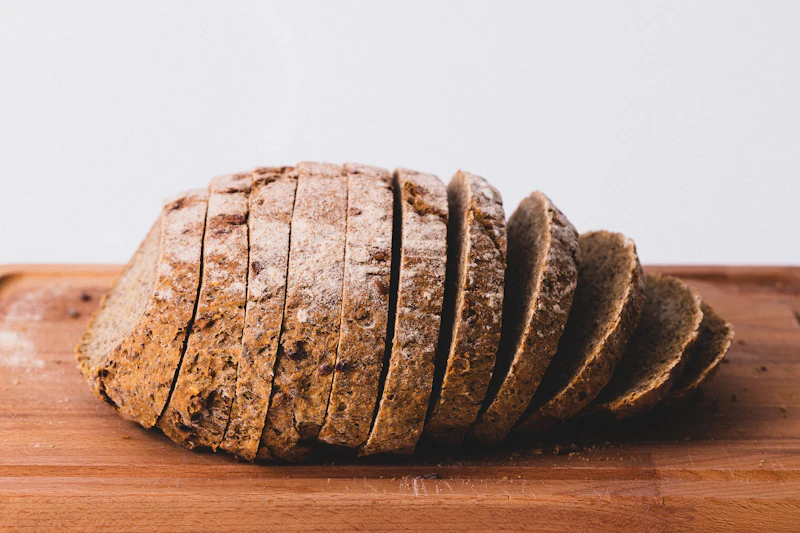
2. Science of Gelatinization: Technology to Stop Aging
The core principle of Tangzhong is 'Starch Gelatinization'. Raw flour can only absorb about 60% of its weight in water. However, heated (gelatinized) flour paste transforms into a structure that traps water tightly. By adding Tangzhong paste to the main dough, the total Hydration can be boosted to 80-90%.
Generally, bread begins to 'stale (Retrogradation)' immediately after baking as moisture evaporates. However, with Tangzhong, the starch encapsulates the water, maintaining a freshly baked softness even after 3-4 days. This is the most natural and healthy way to extend shelf life without chemical improvers or emulsifiers.
3. Comparative Analysis: Tangzhong (1:5) vs Yudane (1:1)
Many bakers confuse these two techniques, but they have decisive differences in water ratio and preparation method.
| Category | Tangzhong | Yudane |
|---|---|---|
| Ratio (Flour:Water) | 1 : 5 | 1 : 1 (or 1:0.8) |
| Method | Cooked over low heat to 65°C (Paste) | Scalded with boiling water (Dough) |
| Resting Time | Use once cooled | Must rest in fridge for at least 8 hours |
| Texture | Light & Fluffy | Chewy & Mochi-like |
4. Master Recipe: 'Heavy Cream Tangzhong Shokupan'
A premium loaf recipe utilizing the popular and low-failure 1:5 Tangzhong method. Using milk and heavy cream instead of water maximizes richness.
🥣 Ingredients (One Pullman Loaf)
- [Tangzhong] 20g Bread Flour, 100g Water (Prepared and cooled)
- [Main Dough] 250g Bread Flour, 30g Sugar, 4g Salt, 5g Instant Dry Yeast, 10g Milk Powder
- [Liquids] 80g Milk, 40g Heavy Cream, 1 Egg (approx. 50g)
- [Fat] 25g Unsalted Butter (Room temp)
👨🍳 Baking Process
- Make Tangzhong: Whisk 100g water and 20g flour in a pot. Cook over low heat, stirring constantly until it thickens into a paste (yogurt consistency). Remove from heat, cover surface with plastic wrap, and cool completely.
- Knead: Mix all ingredients (including cooled Tangzhong) except butter. Once a dough forms, add butter and knead until 100% gluten development (Windowpane test). Tangzhong dough is sticky, so patience is required.
- 1st Rise: Proof in a warm place until 2.5 times in size (approx. 50-60 mins).
- Shape: Degas, divide into 3, round, and rest for 15 mins. Roll out, fold, roll up, and place in the tin.
- Bake: When dough rises to 1cm below the rim (2nd Rise), bake at 170°C (340°F) for 25-30 mins. Drop the pan (shock) immediately after baking to release steam.
* Tip: Tangzhong is easy to make, so prepare it the day before and age it in the fridge for better sweetness. Bring to room temp before using.
5. 2026 Trends: Rediscovery as a Natural Emulsifier
The key keyword for the 2026 bakery industry is 'Clean Label'. As consumers avoid additives like emulsifiers and preservatives, Tangzhong has emerged as the perfect alternative.
Beyond simple loaves, Tangzhong is being applied to bagels, donuts, and even sourdough. Furthermore, research is active on using 'Rice Flour Tangzhong' to improve the crumbly texture of gluten-free bread. Tangzhong is now recognized beyond Asia as a standard technique, known as the 'Secret Asian Technique' in Western bakeries.