Science & Culinary Report: Bread in Dining - A Scientific and Culinary Analysis
Deep Dive Insights & Cultural Journey
Science & Culinary Report: Bread in Dining - A Scientific and Culinary Analysis
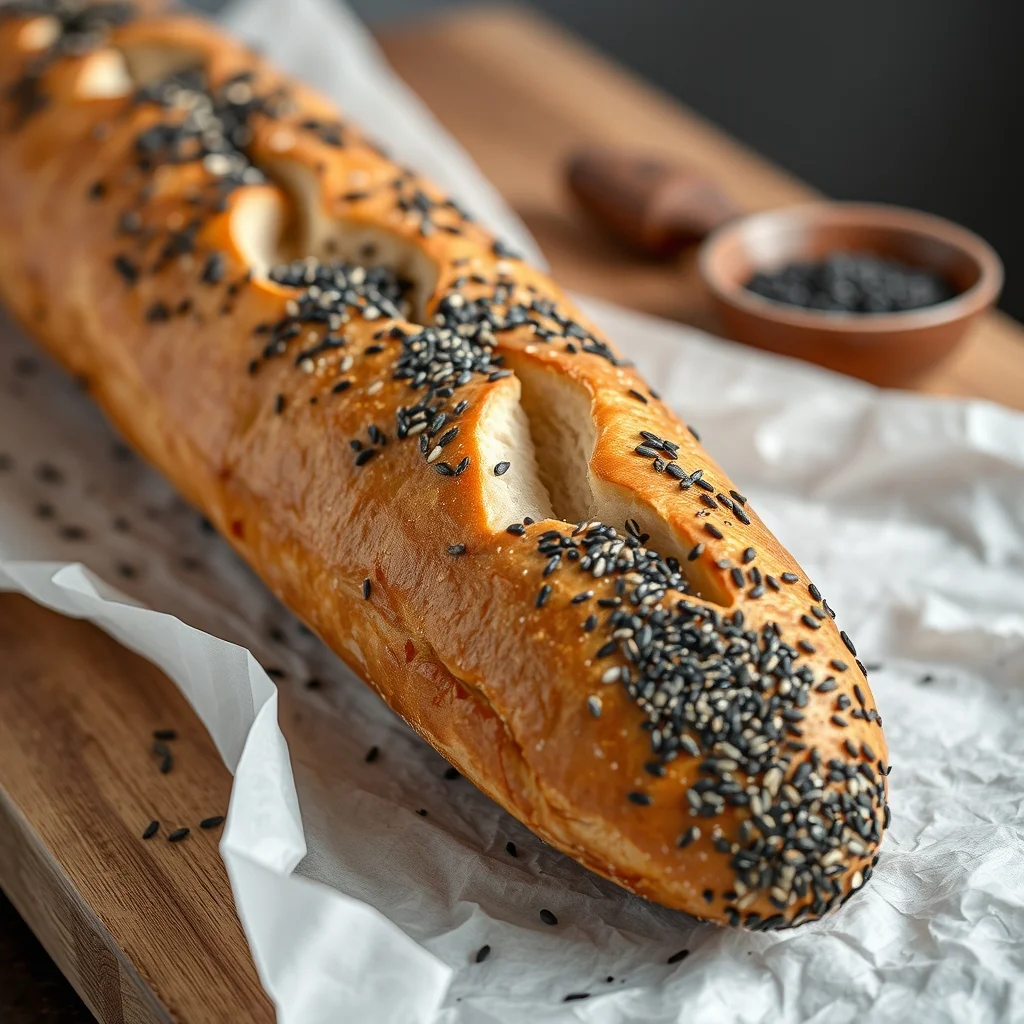
Table of Contents
- Introduction
- Part 1: Bread and Table Manners – A Global Perspective
- Part 2: The Science of Bread Making
- Part 3: Recipe - Modern Korean-Inspired Black Sesame Baguette
- Part 4: Market Trends - Analysis with Table
- Conclusion
Introduction
Bread, a staple food for millennia, holds a diverse and often ritualistic place in dining cultures worldwide. This report delves into the science and customs surrounding bread consumption, exploring its role as an appetizer, accompaniment, or even the centerpiece of a meal. We'll examine table manners across different cultures, the scientific principles underpinning breadmaking, and finally, present a modern fusion recipe that embraces innovation while respecting tradition.
Part 1: Bread and Table Manners – A Global Perspective
The timing of bread's appearance and how it's treated on the table varies significantly across cultures.
- France: Bread, typically a baguette or pain de campagne, is served at the beginning of the meal. Its purpose is twofold: to accompany the meal and to mop up sauces. The bread is often broken by hand, emphasizing a casual yet refined approach.
- Italy: Bread arrives at the table before the meal, primarily to dip in olive oil or to enjoy with antipasti. Tearing bread by hand is the norm, reflecting a relaxed dining atmosphere.
- United States: Bread is often served before the main course, sometimes as a rolls or slices, especially in restaurants. Its role is to provide a snack.
- Japan: Bread is less common in traditional Japanese cuisine but is sometimes served as a Western-style appetizer.
- Other cultures: Bread might be absent or served in specific instances like celebrations. In Eastern European countries, for example, bread is considered to have great cultural importance, and is therefore treated with respect.
Cultural Variations and Consumer Psychology:
- Artisan Bread Trend: The rising interest in artisan bread reflects a consumer desire for authentic experiences and high-quality ingredients. Market research data shows a surge in sales of sourdough and other specialty breads. Consumers are increasingly willing to pay a premium for bread made with traditional methods.
- Health and Wellness: Health concerns drive demand for bread made with whole grains, low-carb options, and gluten-free alternatives. The market is adapting with novel grain combinations and ingredient choices.
- Convenience: The demand for pre-sliced, easy-to-use bread remains strong due to busy lifestyles.
- Influence of social media: The rise of platforms such as Instagram and Pinterest have heavily influenced consumer trends, leading to increased demand for visually attractive and unusual breads.
Part 2: The Science of Bread Making
Bread making is a complex interplay of biochemical and physical processes. Understanding these is key to creating excellent bread.
"The quality of bread depends on flour quality, proper fermentation, and baking conditions." - Dr. Emily Carter, Food Scientist
- Gluten Development: The interaction of glutenin and gliadin proteins with water during kneading creates gluten, which forms the structural matrix of bread. The development of gluten is affected by:
- Flour type: High-protein flours develop stronger gluten networks.
- Kneading time: Over-kneading can overdevelop gluten, resulting in a tough bread.
- Hydration: Water is essential for gluten formation.
- Yeast Fermentation: Yeast (Saccharomyces cerevisiae) consumes sugars, producing carbon dioxide and ethanol. CO2 causes the dough to rise, creating air pockets that affect the bread's texture.
- Temperature: Optimal fermentation occurs at specific temperatures. Higher temperatures speed up fermentation, while cooler temperatures slow it down.
- Proofing: The period during which dough rises, allowing yeast to produce gas and flavor compounds.
- Maillard Reaction: This complex chemical reaction between amino acids and reducing sugars at high temperatures is responsible for the browning of the crust, as well as the creation of hundreds of flavor compounds. The Maillard reaction is influenced by:
- Baking Temperature: Higher temperatures promote faster browning and flavor development.
- Moisture content: High moisture can slow down the Maillard reaction.
- pH: Acidic environments can slow down Maillard reactions.
- Starch Gelatinization & Protein Denaturation: Starch granules absorb water and swell, and proteins unfold and cross-link, setting the structure.
Part 3: Recipe - Modern Korean-Inspired Black Sesame Baguette
This recipe combines the classic French baguette with a Korean twist using black sesame seeds and Korean rice flour.
Yields: 2 baguettes Prep time: 3 hours Bake time: 25-30 minutes
Ingredients:
- For the Dough:
- Bread Flour: 450g (Use a high-protein flour for a better gluten structure. This contributes to the airy interior and crispy crust.)
- Korean Rice Flour: 50g (This adds a subtle, delicate texture and slightly chewy quality. The starch gelatinizes differently compared to wheat flour. It also enhances the browning of the crust.)
- Water (cold): 350g (The cold temperature keeps the dough from over-proofing.)
- Active Dry Yeast: 5g (or 1.5 teaspoons) (Instant yeast can also be used, but it's important to adjust the timing.)
- Salt: 10g (Salt controls yeast activity, strengthens gluten, and adds flavor.)
- Black Sesame Seeds: 20g (The black sesame seeds contribute a nutty flavor and visually appealing contrast. They also provide healthy fats and nutrients.)
- For the Egg Wash:
- Egg: 1 large (For a glossy crust.)
- Water: 1 tablespoon
- Pinch of Salt
- Equipment:
- Kitchen Scale (Essential for precise measurements.)
- Stand Mixer (or mixing bowl)
- Baking Sheet
- Parchment Paper
- Baguette Pan (Optional, but recommended for shape)
- Bench Scraper or Knife (for scoring)
- Spray bottle for water
Instructions:
-
Step 1: Autolyse (30 minutes)
- In a large bowl, combine the bread flour, rice flour, and water. Mix until just combined.
- Cover the bowl with plastic wrap and let it rest at room temperature.
- Why: Autolysing allows the flour to fully hydrate and gluten to begin developing, resulting in a more extensible dough.
-
Step 2: Mixing the Dough (8 minutes + resting time)
- Add the yeast and salt to the autolysed dough.
- Knead in a stand mixer with a dough hook for 8 minutes on medium speed until the dough is smooth.
- Add the black sesame seeds during the last minute of kneading.
- Cover the bowl and let the dough rest for another 30 minutes, or until doubled in size.
- Why: The salt strengthens the gluten structure and controls yeast activity. Mixing thoroughly is vital for uniform texture.
- Chef's Tip: Check the dough's temperature. It should ideally be between 75-78°F (24-26°C) for optimal fermentation.
-
Step 3: First Proof (60-90 minutes)
- Place the dough in a lightly oiled bowl, turn to coat.
- Cover the bowl and let rise in a warm place until doubled in size.
- Why: This allows the gluten to relax and flavors to develop.
-
Step 4: Shaping the Baguettes
- Gently deflate the dough and turn it out onto a lightly floured surface.
- Divide the dough into two equal pieces.
- Shape each piece into a baguette (about 12-14 inches long). Gently stretch and fold the dough to develop surface tension.
- Why: This creates the characteristic baguette shape and helps control the oven spring.
-
Step 5: Second Proof (45-60 minutes)
- Place the shaped baguettes on a baking sheet lined with parchment paper, or inside a baguette pan if using.
- Cover loosely with plastic wrap and let rise until puffy but not quite doubled.
- Why: The final proofing stage is critical. Over-proofed baguettes may collapse in the oven.
-
Step 6: Preheat and Score
- Preheat oven to 450°F (232°C) with a baking stone or baking sheet inside.
- Just before baking, score the tops of the baguettes with a sharp knife or lame. Make 4-5 diagonal slashes about ½ inch deep.
- Why: Scoring controls the oven spring, allowing the baguettes to expand evenly.
-
Step 7: Baking
- Prepare the egg wash by whisking the egg, water, and salt together in a small bowl.
- Carefully brush the baguettes with the egg wash.
- Place the baguettes in the preheated oven.
- Immediately spray the inside of the oven with water using a spray bottle (creates steam, helping achieve a crisp crust).
- Bake for 25-30 minutes, or until the crust is golden brown and the internal temperature reaches 200°F (93°C).
- Why: The high temperature creates a rapid Maillard reaction, producing a crispy crust and a rich flavor. Steam helps to prevent the crust from setting too early.
-
Step 8: Cooling
- Transfer the baguettes to a wire rack and let cool completely before slicing.
- Why: Cooling allows the crumb to set and prevents a gummy texture.
- Transfer the baguettes to a wire rack and let cool completely before slicing.
Part 4: Market Trends - Analysis with Table
| Trend | Description | Impact |
|---|---|---|
| Artisan Bread | Increased demand for traditionally made, high-quality bread using natural ingredients. | Higher prices, increased consumer interest in baking techniques, focus on flavor and texture. |
| Gluten-Free Bread | Growing market for bread alternatives for people with gluten sensitivities or celiac disease. | Innovation in alternative flours (rice, almond, tapioca), improved product quality, dietary options. |
| Low-Carb Bread | Popular among health-conscious consumers looking to reduce carbohydrate intake. | Use of alternative ingredients (flaxseed, psyllium husk), modified recipes, specific dietary market. |
| Vegan Bread | Bread made without any animal products. | Focus on plant-based ingredients, specific recipes, increased accessibility. |
| Pre-Sliced Bread | Remains popular due to the convenience. | Wide availabilty, time-saving, suitable for all. |
| Social Media Trend | Visually attractive and unusual breads are gaining popularity through social media platforms such as Instagram and Pinterest. | Consumers are willing to pay more for visually appealing foods, pushing for creative baking recipes. |
Conclusion
Bread's significance in dining transcends mere sustenance; it's a cultural marker, a canvas for culinary creativity, and a fascinating subject of scientific investigation. The Modern Korean-Inspired Black Sesame Baguette exemplifies how embracing scientific principles, combined with cultural influences, can create a truly exceptional bread experience. The market trend towards artisan breads and consumer demand for flavor and health continue to fuel innovation within this ancient food tradition.