🥖 The Science of Terroir: French Water and Korean Baguettes
Why Water Hardness Matters in French Baking
1. Origin of Form: Vienna Steam and Paris Labor Laws
While the baguette's history began in France, its technological roots reach back to Vienna, Austria. In the mid-19th century, Austrian baker August Zang introduced the 'Steam Oven' to Paris. This innovative technology, which injected steam during baking, gelatinized the starch on the dough's surface, creating the baguette's signature thin, crispy, and glossy crust.
The decisive factor that elongated the baguette to its current shape was the 'Labor Law' enacted in 1920. When bakers were prohibited from working before 4 AM, there wasn't enough time to bake bread for breakfast. Bakers solved this by stretching the round dough (Boule) into long, thin shapes to increase heat conductivity and drastically reduce baking time. Thus, the baguette is a product of pragmatism born from technological innovation and social constraints.
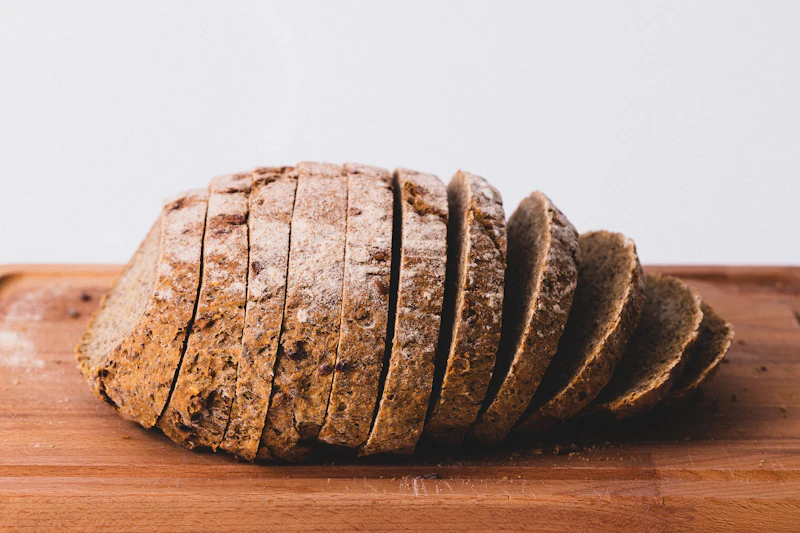
2. Science of Water: Hard Water vs. Soft Water
Many experts cite 'Water' as the primary reason why baguettes made in Korea taste different from those in France. As one of the four main ingredients of bread, water is not just moisture but a chemical solvent that determines the dough's physical properties.
💧 French Hard Water
European water is Hard Water, rich in calcium and magnesium. These minerals act to tighten gluten protein bonds. Therefore, kneading French flour with French water results in a dough with strong elasticity and structure. This leads to a vigorous 'Oven Spring' and a chewy, crispy texture when baked.
💧 Korean Soft Water
In contrast, Korean tap water is Soft Water with fewer minerals. Kneading with soft water tends to soften the gluten, making the dough sagging and sticky. For this reason, Korean bakers use advanced techniques like artificially adding 'hard water (minerals)' or adjusting fermentation times to strengthen the dough. The fact that Korean baguettes have a softer and lighter crumb is a result of these water characteristics.
⚠️ Baking Tip: French Taste at Home
If your baguette dough spreads too much when baking at home, try reducing the water by 2-3% or mixing in high-mineral bottled water (like Evian). The minerals will help tighten the gluten, allowing you to create a baguette with much better volume.
3. Fusion Recipe: Seoul Style 'Myeongran Mayo Baguette'
A recipe that elevates the characteristics of soft Korean baguettes. Salty Pollock roe (Myeongran) and savory mayonnaise soak into the crispy crust for an addictive flavor.
🥣 Ingredients
- Base: 1 Baguette (approx. 30cm)
- Sauce: 2 Low-salt Pollock roe sacs (50g, skin removed), 50g Mayonnaise, 1 tbsp Condensed Milk (Secret to sweet & salty), 1/2 tsp Minced Garlic
- Topping: Chopped chives, Seaweed flakes (optional)
👨🍳 Process
- Make Sauce: Mix the roe (skin removed), mayo, condensed milk, and garlic in a bowl. Condensed milk is key to removing fishiness and boosting umami.
- Prep Bread: Slice the baguette lengthwise or make deep cuts every 2cm. (Leaving the bottom intact prevents sauce from dripping.)
- Spread: Generously spread the sauce into the cuts or on the surface. Apply a thin layer on top as well.
- Bake: Bake at 180°C (350°F) in an oven or air fryer for 10-12 minutes until the sauce bubbles and turns golden.
- Finish: Remove from oven and sprinkle with chopped chives.
* Tip: It tastes even better with day-old, stale baguettes. The moisture and oil from the sauce revive the bread, making it moist inside and crispy outside.
4. 2026 Trends: Originality Beyond Localization
The keyword for the 2026 bakery industry is 'Localized Authenticity'. Korean bakers are moving beyond simply copying French recipes to redesigning processes to fit Korea's water, climate, and consumer palates.
While the French baguette seeks plainness as a 'meal bread', the Korean baguette has evolved into a texture that is 'Crispy outside, Chewy inside', resembling rice cake with high hydration. Furthermore, by incorporating native ingredients like mugwort, black sesame, and garlic directly into the dough, the baguette is perfectly integrating into Korean food culture.
| Comparison | French Traditional Baguette | Korean Modern Baguette |
|---|---|---|
| Water | Hard Water (Rich in minerals) | Soft Water (Gentle) |
| Texture | Hard & Crispy crust, Large holes | Thin crust, Chewy & Moist crumb |