A Culinary Journey Through European Easter Cakes
Deep Dive Insights & Cultural Journey
A Culinary Journey Through European Easter Cakes
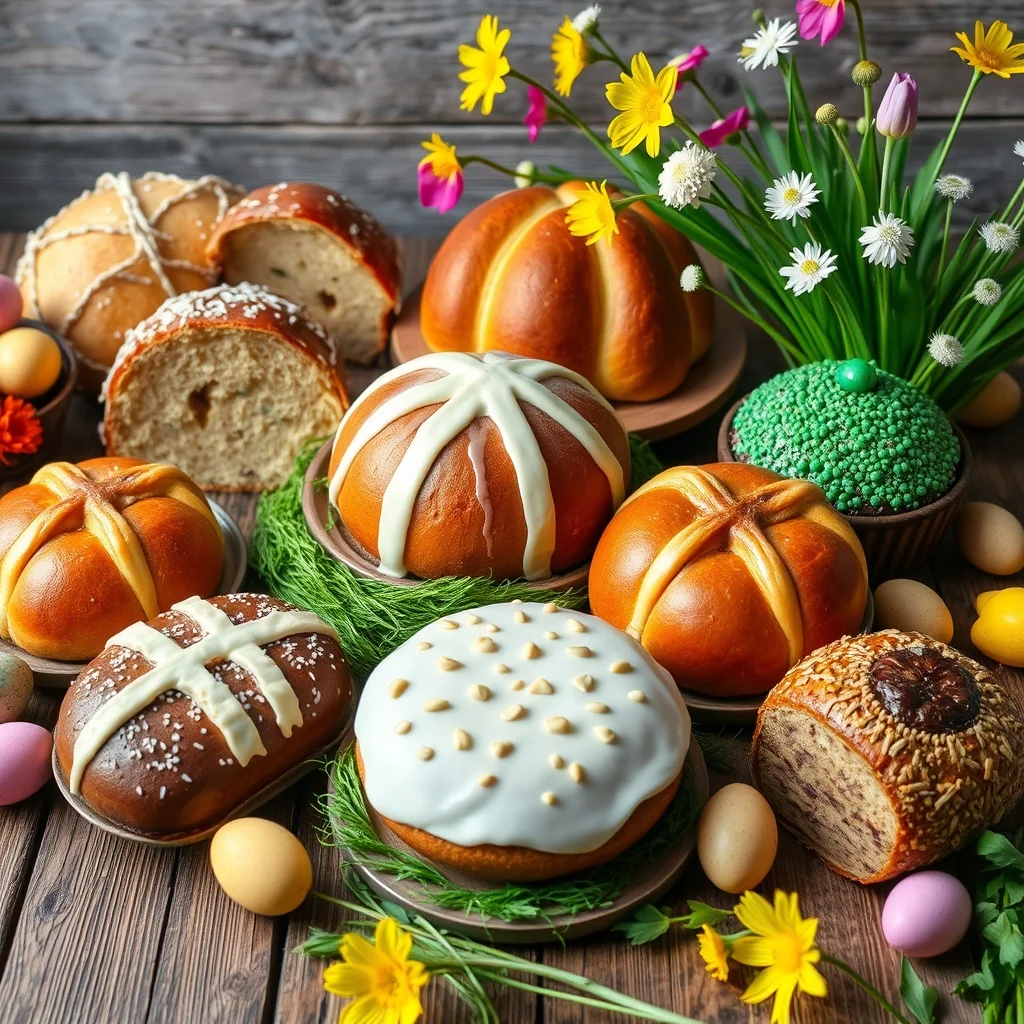
Table of Contents
- History: A Sweet Heritage
- Science: Baking Chemistry Unveiled
- Recipes: Traditional and Modern Twists
- Trends: The Easter Cake Market Today
1. History: A Sweet Heritage
The tradition of celebrating Easter with special cakes is a deeply ingrained custom across Europe. These cakes are more than mere desserts; they are edible symbols of rebirth, renewal, and the joyous end of the Lenten fast. Their rich history reflects the evolving social, economic, and technological landscapes of the continent. From the ingredients used to the shapes they take and the baking techniques employed, these cakes tell compelling stories of wars, famines, trade routes, and the enduring influence of religious institutions.
Analyzing these Easter cakes provides a unique lens through which to understand the development of European cultures and culinary practices. The history of these cakes is a fascinating tapestry woven with threads of faith, tradition, and the ingenuity of bakers across the continent. Each cake, from the dove-shaped Colomba Pasquale of Italy to the spiced Hot Cross Buns of the United Kingdom, carries a unique narrative, reflecting the specific historical and cultural contexts in which it originated and evolved.
Colomba Pasquale (Italy): The Dove of Peace and Celebration
The Colomba Pasquale, or Easter Dove, is perhaps the most iconic Easter cake in Italy. Its origins are shrouded in legend, with the most popular story tracing back to 6th century Lombardy. It is said that King Alboin, upon conquering Pavia, was offered a dove-shaped bread as a symbol of peace. While the truth of this tale is debated, it highlights the dove's symbolic importance as a harbinger of peace and reconciliation, a fitting theme for Easter.
The modern Colomba, however, emerged more recently, thanks to the ingenuity of Milanese baker Angelo Motta in the early 20th century. Motta sought to repurpose his panettone ovens outside the Christmas season. His innovation was to adapt the panettone recipe—a rich, yeasted bread with candied fruit—into a dove shape, symbolizing Easter. The availability of industrial ovens enabled mass production, making the cake accessible to a wider audience. The use of high-quality ingredients like butter, eggs, and candied fruit reflected the post-war era's relative prosperity. Clever marketing further cemented the Colomba's status as an Easter symbol, associating it with family gatherings and festive celebrations.
The ingredients themselves tell a story of economic and agricultural progress. The abundance of eggs, butter, and sugar reflected improved agricultural practices and trade networks. The use of high-quality ingredients was a deliberate choice to differentiate the Colomba from simpler breads, adding to its appeal as a luxurious item. Candied fruit, often sourced from distant lands, symbolized wealth and global trade.
Hot Cross Buns (United Kingdom): A Blend of Religion and Tradition
The origins of Hot Cross Buns are deeply interwoven with religious traditions and pre-Christian practices. While their precise beginnings are debated, their association with Good Friday is undeniable. The cross on top symbolizes the crucifixion, while the spices, such as cinnamon and cloves, are believed to represent those used to embalm Christ's body. The earliest references to Hot Cross Buns date back to the medieval period, with some historians suggesting similar buns were consumed during pagan festivals celebrating the spring equinox.
Initially, Hot Cross Buns were likely simple, unleavened breads baked for Good Friday as a symbolic act of fasting and reflection. The addition of spices and dried fruits transformed them into a more palatable and festive treat, symbolizing the abundance of the harvest and the joy of Easter. The spices also reflected the spice trade, which brought exotic ingredients to Europe.
The cross, initially made by cutting the dough, evolved to be made with a paste of flour and water, reflecting evolving baking techniques and the desire for a more visually appealing bun. Guilds, which regulated baking practices, played a role in standardizing recipes and ensuring quality. The availability of ingredients was affected by trade and economic conditions, influencing the price and quality of the buns.
The cultural transmission of Hot Cross Buns extended beyond the UK. As the British Empire expanded, the recipe and traditions spread to other parts of the world, including Australia, Canada, and the United States, adapting to local ingredients and tastes.
Kulich (Russia): A Symbol of Easter Celebration
Kulich, the traditional Easter bread of Russia, is a tall, cylindrical cake adorned with white icing and colorful sprinkles. Its roots are firmly planted in the Orthodox Christian tradition. Kulich is baked and blessed during the Easter vigil service, symbolizing the resurrection of Christ. The shape is said to resemble the church itself, emphasizing its religious significance.
The historical context of Kulich baking is intertwined with the religious practices of the Russian Orthodox Church. The recipe, passed down through generations, has remained largely unchanged. The ingredients, including flour, eggs, butter, sugar, and dried fruits, symbolize the abundance and joy of Easter. The richness reflects the end of the Lenten fast.
Baking Kulich was, and still is, a communal activity, with families gathering to bake together, accompanied by prayers and blessings. The sharing of Kulich with neighbors and friends after the Easter service strengthens social bonds. During the Soviet era, religious practices were suppressed, and the baking of Kulich faced challenges but survived, often practiced in secret within families.
The cultural transmission of Kulich is closely tied to the Russian diaspora, with emigrants bringing their traditions to other parts of the world, adapting recipes to suit local tastes and ingredients.
2. Science: Baking Chemistry Unveiled
European Easter cakes are not just cultural icons; they are also fascinating examples of applied chemistry. The seemingly simple act of baking involves a complex interplay of ingredients and processes that transform raw materials into delicious treats.
Gluten development, yeast fermentation, protein denaturation, Maillard reaction, and starch gelatinization are all key scientific principles at play in creating these Easter delicacies.
Colomba Pasquale: A Symphony of Structure and Flavor
The airy texture of Colomba Pasquale relies on robust gluten development. Wheat flour proteins, glutenin, and gliadin, hydrate and form gluten strands through kneading. This network traps CO2 produced by yeast fermentation, creating the cake's structure. The strength of the gluten network is influenced by flour protein content and hydration.
Yeast (Saccharomyces cerevisiae) consumes sugars, producing CO2 and ethanol. The CO2 expands the gluten network, creating a light, fluffy texture. Temperature is crucial for optimal fermentation.
Eggs contribute to structure, richness, and flavor. During baking, heat denatures egg proteins (albumin), causing them to unfold and bond, forming a solid structure.
The golden-brown crust and complex flavors are due to the Maillard reaction, a non-enzymatic browning that occurs when amino acids react with reducing sugars at high temperatures.
Starch granules in the flour absorb water and swell, a process called gelatinization, adding to the texture and structure.
The high butter content creates a rich, tender crumb. Emulsifiers help disperse fat evenly throughout the dough, preventing large air pockets.
Hot Cross Buns: Spice and Everything Nice
Similar to Colomba, gluten development is key for Hot Cross Buns. Yeast converts sugars to CO2 and ethanol, causing the dough to rise. The amount of yeast and the fermentation time influence the bun's texture.
The browning is a result of both the Maillard reaction and caramelization (sugar breakdown). Cinnamon, cloves, and other spices contain volatile aromatic compounds that provide the characteristic flavor. These compounds are released during baking.
As the buns bake, starch granules absorb water and swell, contributing to the soft, tender crumb. The cross paste, traditionally made from flour and water, undergoes a similar browning process during baking.
Kulich: Tall, Rich, and Flavorful
Kulich relies on a strong gluten network to support its tall structure. The rich dough requires careful handling to avoid over-proofing. The yeast produces CO2, causing the dough to rise. The high fat and sugar content can sometimes slow down fermentation, requiring adjustments to the yeast amount or proofing time.
Eggs contribute to structure and richness. During baking, egg proteins denature and coagulate, creating a solid structure. The starch in the flour absorbs water and swells during baking, contributing to the soft, moist crumb. The browning of the crust is due to the Maillard reaction and caramelization. Butter and eggs contribute to a tender crumb. Fat interferes with gluten development, creating a more tender texture.
3. Recipes: Traditional and Modern Twists
This section provides both traditional recipes and modern variations for each of the featured Easter cakes.
Traditional Colomba Pasquale (Simplified)
Ingredients:
- 500g bread flour
- 200ml warm milk
- 10g dry yeast
- 100g sugar
- 10g salt
- 3 eggs
- 150g butter, softened
- 100g candied orange peel
- 50g almonds
Instructions:
- Dissolve yeast in warm milk.
- Combine flour, sugar, and salt. Add yeast mixture and eggs.
- Knead in butter, then candied orange peel.
- Let rise until doubled.
- Shape into a dove, top with almonds, and bake.
Mandarin & Pistachio Colomba (Modern Twist)
(See detailed recipe in previous response)
Traditional Hot Cross Buns
Ingredients:
- 500g bread flour
- 7g dry yeast
- 50g sugar
- 5g salt
- 250ml warm milk
- 50g butter, softened
- 1 egg
- 1 tsp mixed spice
- 100g currants
- Flour paste for cross
- Glaze
Instructions:
- Combine dry ingredients.
- Add milk, butter, and egg.
- Knead, then add currants and mixed spice.
- Let rise until doubled.
- Shape into buns, add cross, and bake.
- Glaze while warm.
Cardamom & Cranberry Hot Cross Buns (Modern Twist)
(See detailed recipe in previous response)
Traditional Kulich
Ingredients:
- 500g bread flour
- 200ml warm milk
- 10g dry yeast
- 150g sugar
- 5g salt
- 4 eggs
- 150g butter, softened
- 100g raisins
- Icing
Instructions:
- Dissolve yeast in warm milk.
- Combine flour, sugar, and salt. Add yeast mixture and eggs.
- Knead in butter, then raisins.
- Let rise until doubled.
- Place in a tall mold and bake.
- Ice when cool.
Lemon & Poppy Seed Kulich (Modern Twist)
(See detailed recipe in previous response)
4. Trends: The Easter Cake Market Today
The Easter confectionery market is a significant segment of the broader bakery market. Consumer interest in traditional Easter cakes remains strong, with a growing demand for premium, artisanal versions.
| Trend | Description |
|---|---|
| Flavor Innovation | Consumers are seeking unique flavor combinations and global influences, like the Mandarin & Pistachio Colomba or Cardamom & Cranberry Hot Cross Buns. |
| Ingredient Quality | There is a rising preference for high-quality, natural ingredients and locally sourced products. |
| Visual Appeal | The presentation of Easter cakes is crucial. Elaborate decorations, unique shapes, and attractive packaging are key to attracting consumers. |
| Healthier Options | Demand for reduced-sugar, gluten-free, or vegan versions of traditional Easter cakes is increasing. |
| Convenience | Pre-made cakes and baking kits are popular for busy consumers. |
| Online Influence | Social media and online platforms play a significant role in influencing consumer choices, with visually appealing content and recipe sharing driving sales. |
| Artisanal Focus | Consumers are increasingly seeking out locally made, handcrafted Easter Cakes from bakeries that prioritize quality and tradition over mass-produced options. |
| Sustainable Sourcing | A growing number of consumers are prioritizing Easter Cakes made with sustainably sourced ingredients, supporting ethical farming practices and reducing environmental impact. |
| Global Flavors | Bakers are experimenting with flavors and ingredients from around the world to create unique and exciting Easter Cake offerings, catering to adventurous palates and expanding the definition of "traditional." |
Market research indicates a steady growth in the Easter confectionery market, with increased spending on premium and specialty baked goods.
Conclusion:
European Easter cakes are a testament to the enduring power of tradition and culinary innovation. Understanding their history, science, and current trends allows for a deeper appreciation and the creation of exciting new variations. By combining traditional techniques with modern flavors and consumer preferences, bakers can continue to create Easter treats that are both delicious and captivating.