Korean Bread Pilgrimage: History, Science, Recipes, and Trends
Deep Dive Insights & Cultural Journey
Korean Bread Pilgrimage: History, Science, Recipes, and Trends
Table of Contents
- Introduction: The Rise of Bread Culture in Korea
- History: The Story of Sungsimdang and Iseongdang
- Science: The Evolution of Baking Technology
- Recipe: Homemade Red Bean Bread
- Trends: Comparing Korean Bread Culture
- Conclusion: The Future of Bread in Korea
Introduction: The Rise of Bread Culture in Korea
The Korean "bread pilgrimage" phenomenon refers to the enthusiastic journey of visiting famous bakeries across the country, a relatively recent occurrence. It is the result of a fusion of historical events, technological advancements, and socio-economic changes. From the establishment of bakeries such as Sungsimdang in Daejeon and Iseongdang in Gunsan, to the development of Korean baking technology, it reflects the influence of the introduction of foreign culinary techniques, adaptation of local resources, and major historical events such as the Korean War. This report explores the key factors that have shaped this unique culinary landscape, focusing on technological innovation, social constraints, and cultural exchange.
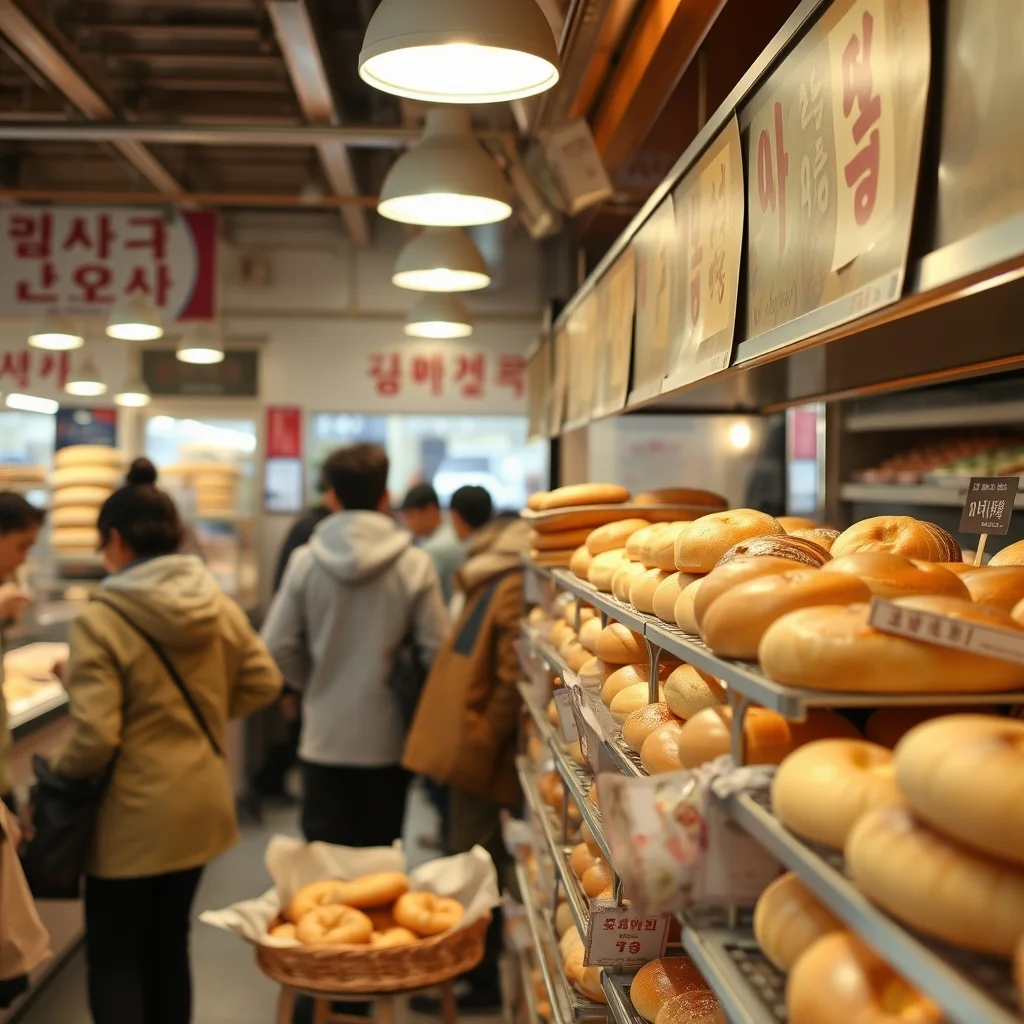
History: The Story of Sungsimdang and Iseongdang
Sungsimdang: A Daejeon Institution
Sungsimdang, a bakery that has become a national symbol, began in 1956 in Daejeon, shortly after the Korean War. The bakery's history is closely linked to the post-war reconstruction of Korea. Founder Lim Gil-soon originally started as a small donut shop and gradually expanded its products. The location of Daejeon was strategic. During the Korean War, Daejeon was a relatively safe area, serving as a center for refugees and a vital transportation hub. This influx of people created a demand for affordable and readily available food, including bread and pastries.
The Korean War (1950-1953) had a significant impact on the availability of ingredients. Wheat flour, the main ingredient in bread, was initially scarce and often relied on imports, making it a luxury item. The United States provided wheat flour through various aid programs, helping to stabilize the supply. The availability of imported wheat flour was crucial. Moreover, the technologies needed to make bread were initially simple. The founder learned basic techniques from other bakers and experimented with available ingredients. Sungsimdang's initial success stemmed from its ability to adapt to the post-war environment, providing simple but satisfying bread that met the needs of the time. The transition from a small donut shop to a bakery producing a variety of breads was a direct result of increased wheat flour availability and the evolving tastes of the population.
The bakery's continued success also comes from continuous adaptation and innovation. Over the decades, Sungsimdang has adopted modern baking technologies, including ovens capable of producing large quantities of bread and various types of machinery that automate the production process. The implementation of modern ovens and machinery has allowed Sungsimdang to expand its production capacity to meet the growing demand for its products. In the 1970s and 1980s, the introduction of ingredients such as shortening and various types of fillings allowed for the development of more diverse and appealing products. This reflected the changing preferences of Korean consumers, who were increasingly exposed to Western-style pastries. The bakery's ability to create iconic products such as "Twigim Soboro" and "Pantalong Buchu Bread" has become essential to the brand.
Anecdote: Legend has it that Sungsimdang's famous Twigim Soboro recipe was born out of necessity. During a period of food shortages, the baker experimented with leftover ingredients. As a result, a unique and delicious bread quickly became a local favorite. This anecdote highlights the innovative spirit and adaptability that defined Sungsimdang's early years.
Iseongdang: Gunsan's Pride
Iseongdang, established in 1920 in Gunsan, presents a slightly different story. Located in a city with a rich history of trade and cultural exchange, Iseongdang's establishment predates the Korean War and is linked to the Japanese colonial period (1910-1945). As a port city, Gunsan served as a gateway for foreign goods and ideas, including Western-style baking techniques. The bakery initially offered simple bread products for both Japanese and Korean customers. Proximity to the port of Gunsan facilitated the acquisition of imported ingredients and the adoption of foreign baking methods. The influence of Japanese baking techniques is evident in some early products, but Iseongdang has always adapted to local Korean tastes.
The post-war years brought changes. After the liberation of Korea in 1945 and during the Korean War, Iseongdang faced similar challenges to other bakeries, including ingredient shortages and economic difficulties. However, the bakery was able to survive and adapt. The adoption of new technologies and ingredients, along with rising living standards, helped Iseongdang expand its menu and attract a broader customer base. Iseongdang's commitment to quality and consistency has solidified its reputation over the generations.
Iseongdang's location in Gunsan played an important role in its development. As a trading port and a center for rice production, Gunsan's history has given the bakery access to raw materials and a diverse customer base. The ability to cater to both local and international tastes has been another key to success.
Anecdote: During the Japanese colonial era, Iseongdang was one of the few bakeries that openly served both Korean and Japanese customers. This act of inclusion was a bold move at the time and contributed to its early popularity. The ability to adapt to changing socio-economic environments has contributed to its continued success.
Science: The Evolution of Baking Technology
The evolution of baking technology in Korea has always been intertwined with the introduction and adaptation of technology. Early bakeries such as Sungsimdang and Iseongdang used rudimentary ovens and baking equipment. However, as Korea modernized, the adoption of more advanced machinery became widespread.
The science of baking is complex. Gluten formation in flour determines the structure of the dough, yeast fermentation leavens the bread, and heat transforms these ingredients to create the final product.
- Ovens: Initially, wood-fired ovens were used. The transition to coal and electric ovens improved temperature control and enabled large-scale production. Modern convection ovens and automated baking lines are now common.
- Milling: Flour quality is very important. The Korean War and imports of US-supplied wheat flour were crucial in supplying raw materials.
- Mixing and Shaping: From hand-mixing to automatic dough mixers and shaping machines, technology has dramatically improved efficiency and consistency.
- Preservation and Packaging: The introduction of airtight packaging and preservatives has extended shelf life.
The adoption of modern baking techniques and ingredients has allowed bakeries to experiment with a wider variety of breads and flavors.
Recipe: Homemade Red Bean Bread
Make delicious red bean bread at home!
Ingredients:
- 300g strong flour
- 30g sugar
- 5g salt
- 5g dry yeast
- 200ml milk
- 30g butter
- 300g red bean paste
- 1 egg (for egg wash)
Instructions:
- In a bowl, combine strong flour, sugar, salt, and dry yeast.
- Add warm milk and knead.
- Add butter and knead until smooth.
- Let the dough rise in a warm place for 1 hour.
- Divide the risen dough into 6 equal parts and round them.
- Roll out the dough with a rolling pin, add red bean paste, and seal.
- Make slits on top of the dough and brush with egg wash.
- Bake in a preheated oven at 180 degrees Celsius for 15 minutes.
Trends: Comparing Korean Bread Culture
| Feature | Korea | Other Cultures (e.g., France) |
|---|---|---|
| Historical Origin | Post-war reconstruction, Japanese colonial influence, US influence through food aid. | Ancient grain cultivation, a long history of artisan baking, regional diversity. |
| Bread Types | Emphasis on sweet pastries, filled breads, and soft textures (e.g., soboro, cream bread). | A variety of crusty breads, baguettes, and regional specialties (e.g., croissants, pain au chocolat). |
| Technological Adaptation | Rapid adoption of modern baking technology. | A blend of modern techniques and preservation of traditional methods. |
| Cultural Significance | Bread as a symbol of modernity, social gatherings, and a growing consumer culture, bread pilgrimages. | Bread deeply rooted in daily life, communal meals, and culinary traditions. |
Conclusion: The Future of Bread in Korea
The Korean bread scene is a dynamic and evolving space. Bakeries like Sungsimdang and Iseongdang represent a significant chapter. As consumer tastes change, these establishments continue to adapt, incorporating new ingredients and technologies while maintaining their unique identities. The "bread pilgrimage" phenomenon reflects a deeper cultural appreciation for quality food, local traditions, and the enduring human desire for a taste of history.