The Allure of French Bread: History, Science, Recipes, and Trends
Deep Dive Insights & Cultural Journey
The Allure of French Bread: History, Science, Recipes, and Trends
[TOC] * History of French Bread * The Science of French Bread: A Molecular Perspective * Modern Twist Recipe: Sourdough Baguette with Black Garlic and Rosemary * Comparing French Bread Trends
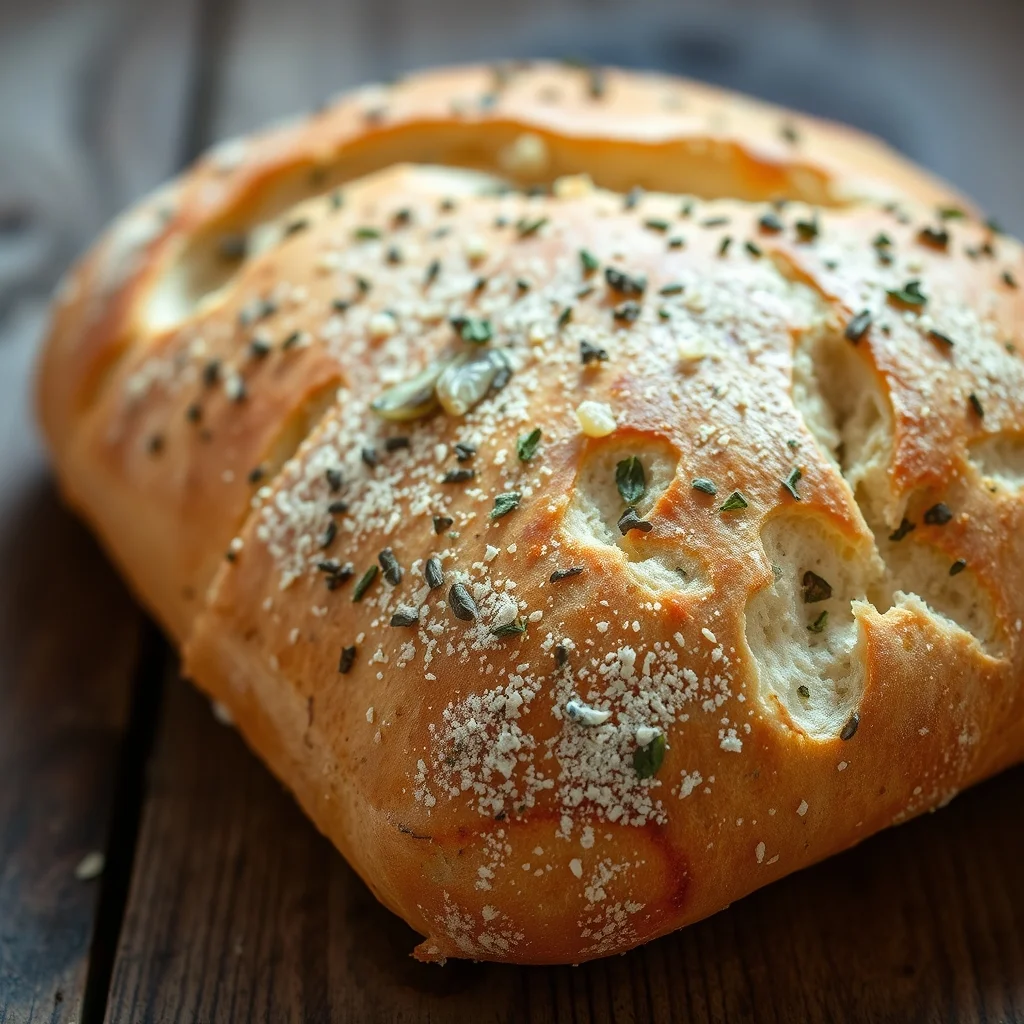
History of French Bread
French bread, especially the baguette, is an integral part of French culture and history. While some theories trace its origins back to the era of Louis XIV, the baguette as we know it today emerged in the early 20th century. At that time, the French government implemented a law prohibiting bakers from working at night, which necessitated a bread that could be baked more quickly than traditional loaves. The baguette was born in response to this need and soon gained popularity throughout France.
The baguette is more than just bread; it is deeply connected to the daily lives of the French and symbolizes their identity. The French enjoy baguettes with coffee for breakfast, as sandwiches for lunch, and as a side dish with dinner. The baguette is indispensable on the French table and is an important part of French culture.
The history of French bread is also closely related to socioeconomic changes. During the French Revolution in the 18th century, bread was a symbolic representation of the citizens' discontent. Marie Antoinette's statement, "Let them eat cake if they have no bread," further intensified public anger. Subsequently, the price and quality of bread became a measure of the stability and instability of French society.
The Science of French Bread: A Molecular Perspective
French bread is more than just a food; it's a masterpiece created by the meticulous harmony of science and art. From the baguette's crisp crust to its soft crumb, every element is perfected through a delicate balance of chemical reactions and physical transformations.
Gluten Development: The Protein Matrix
The unique texture of French bread largely depends on gluten. When flour and water combine, proteins called glutenin and gliadin absorb moisture and, through kneading, align and bind to form a network.
- Protein Denaturation: Kneading causes mechanical stress, which unfolds gluten proteins. The formation of disulfide bonds stabilizes the gluten network, creating a cohesive and elastic dough.
- Hydration: Water's role is more than just providing moisture. Optimal hydration levels (typically 65-75% for baguettes) are critical. Too little water restricts gluten development, and too much makes the dough unmanageable.
Fermentation: The Alchemy of Yeast
Fermentation, driven by yeast (Saccharomyces cerevisiae), is where flavor, texture, and aroma are born.
- Yeast Metabolism: Yeast consumes sugars (primarily maltose from starch breakdown by amylase), producing carbon dioxide (CO2) and ethanol. The CO2 becomes trapped within the gluten network, causing the dough to rise.
- Acid Production: Lactic acid bacteria (often present in sourdough) produce lactic acid and acetic acid. These acids contribute to the bread's sourness and flavor complexity while also strengthening the gluten structure.
Starch Gelatinization and the Maillard Reaction: From Dough to Delight
Baking transforms the dough.
- Starch Gelatinization: At 60-70°C, starch granules absorb water and swell, undergoing gelatinization. This creates the crumb structure of the bread.
- Maillard Reaction: At higher temperatures (140-165°C), amino acids (derived from proteins) react with reducing sugars (glucose and fructose), creating hundreds of flavor compounds. This is responsible for the bread's color and complex flavor.
- Crust Formation: The outer surface dries, and the Maillard reaction concentrates, forming the crust. The high temperature rapidly evaporates water, creating oven spring and contributing to the crust's structure and flavor.
Modern Twist Recipe: Sourdough Baguette with Black Garlic and Rosemary
This recipe combines classic baguette techniques with the complex flavors of black garlic and rosemary. It leverages the principles of sourdough fermentation and gluten development.
Ingredients:
-
For the Levain (Sourdough Starter):
- Mature sourdough starter: 50g (100% hydration)
- Bread flour: 50g
- Water: 50g
-
For the Dough:
- Bread flour: 450g
- Water: 325g (72% hydration)
- Fine sea salt: 10g
- Minced black garlic: 30g
- Finely chopped fresh rosemary: 1 tbsp
- Olive oil (for coating): A small amount
Recipe:
- Activate Levain: Combine all levain ingredients in a clean jar, mix, cover, and let ferment at room temperature for 4-6 hours. Wait until it doubles in size and becomes bubbly.
- Autolyse: In a large bowl, combine bread flour and water (from the dough ingredients) and mix. Ensure there is no dry flour. Cover and let rest at room temperature for 30-60 minutes.
- Mix the Dough: Add the active levain and salt to the autolysed dough. Mix by hand or with a stand mixer until the dough comes together. It will be slightly sticky.
- Bulk Fermentation (First Proof): Add minced black garlic and rosemary. Perform stretch and folds every 30 minutes for 2 hours (4 folds total). Place in a lightly oiled bowl, cover, and let ferment at room temperature for 4 hours.
- Shaping: Gently remove the dough onto a lightly floured surface. Divide the dough into two equal portions and shape each portion into a baguette.
- Second Proof: Place the shaped baguettes seam-side down on a floured cloth or parchment-lined baking sheet, cover, and let ferment at room temperature for 1 hour.
- Preheating and Scoring: Preheat the oven to 240°C (464°F) and place a baking stone or baking sheet inside. Place a pan with hot water on the bottom to create steam. Make 4-5 diagonal slashes on the baguettes with a sharp knife.
- Baking: Carefully transfer the baguettes to the hot baking stone or baking sheet. Bake for 20-25 minutes until the crust turns golden brown and the internal temperature reaches 95-100°C (203-212°F).
Comparing French Bread Trends
| Feature | Traditional Baguette | Sourdough Baguette | Gluten-Free Baguette |
|---|---|---|---|
| Flour Type | Refined wheat flour | Whole wheat or mixed flour | Rice flour, tapioca starch, etc. |
| Fermentation | Commercial yeast | Natural yeast (sourdough starter) | Yeast or chemical leavening agents |
| Flavor | Simple and savory | Sour, complex flavors | Starchy, additive flavors |
| Texture | Crisp crust, soft crumb | Slightly chewy crust, chewy crumb | Crumbly, dry |
| Nutrition | Primarily carbohydrates | Fiber, probiotics | Lacks nutrients, additives likely |
| Storage | Stales quickly | Longer shelf life | Stales quickly |
French bread is evolving with the times, and with increasing interest in health, various alternatives such as gluten-free or whole wheat baguettes are emerging. However, the traditional baguette remains a beloved bread in France, and its history and cultural value will continue unchanged.